Dave’s phone shows a call from his financial institution. The caller knows his name and birthday, says thousands just left his account, and has a fix: send the money to yourself, and the fake withdrawals cancel. Dave’s name is in both the “from” and “to” boxes, so he hits Send. Then the “to” box changes to a financial institution he’s never heard of.
This is a “pay yourself” scam. Scammers fake the caller ID, use personal details to sound real, and talk you into sending money “to yourself.” The money really goes to them. Your name in the “to” box proves nothing: names and caller ID can be faked. The FTC says anyone who tells you to move your money to protect it is a scammer.
The signs to watch for
- A surprise call about fraud on your account
- The caller already knows your details
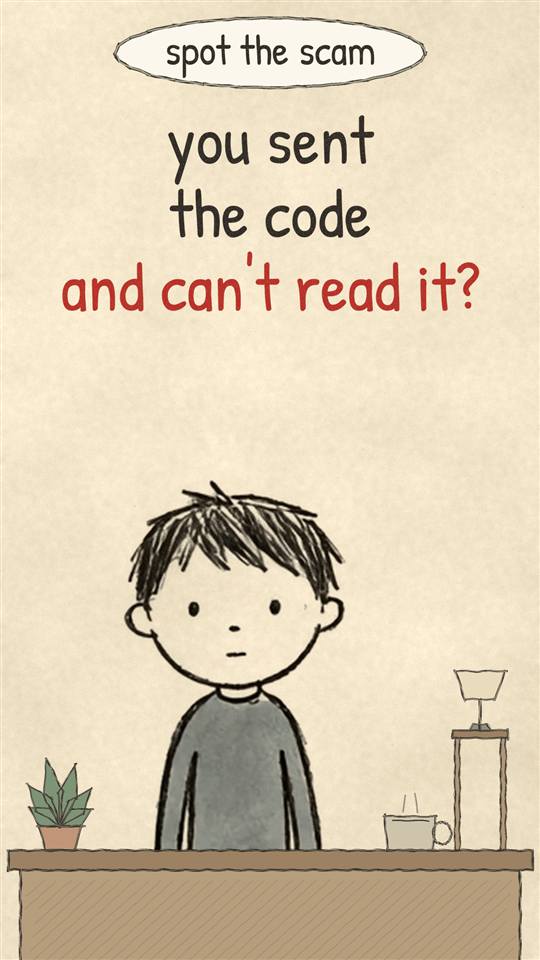
- “We won’t ask for your code,” then “send the money to yourself”
What to do
- Hang up. Don’t send money to yourself because a caller told you to.
- Worried about your account? Call the number on the back of your card or on your statement yourself.
- Payments like this are instant, so stop before you hit Send.
Already sent it?
- Call your financial institution right away, at a number you trust.
- File a report with your local police.
- Report it at ReportFraud.ftc.gov.
All names, numbers and amounts in this video are fictional. “Fakeville Financial” and “Fakeville Trust” are made up, and no real person or financial institution is shown.
Sources used for this episode
- ABA, “Peer to Peer Payment Scams”
- Zelle, “How to Spot a Pay Yourself Scam” and Zelle Help Center
- Banks Never Ask That, “Protect Yourself”
- FTC, “Never move your money to ‘protect it.’ That’s a scam” (Mar. 2024)
- ABC7 Chicago I-Team, “Scams targeting Zelle app users on the rise” (Nov. 11, 2021)
- CFPB, “Who do I contact for help with a scam or fraud?” (last reviewed Aug. 28, 2026)